
1. Blow bubbles (out of your nose and mouth) – for some this may seem simple and unnecessary, but in the event that you go under water, if you blow bubbles, you won’t get water up your nose or in your mouth and will be better able to stay relaxed.
2. Floating on the back (and belly for older kids and adults). Floating gives you a chance to rest and stay calm in the water.
3. Tread water – if you can’t reach the bottom you can tread to keep your head above water.
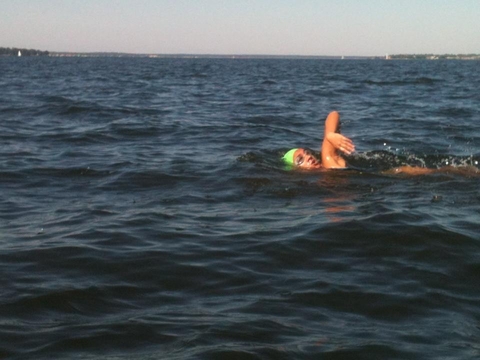
4. Swim – in any way, kicking with the legs and pulling with the arms. If you can do this, you can swim back to safety.
5. Stay calm!! If you can teach your child and yourself to stay calm if they fall in or wander to where they cannot reach, they can remember their skills to get back to safety.
-When practicing these skills children should be supported and very closely supervised.
-You should be comfortable in the water before you teach others or children to be comfortable.
-It’s a good idea to practice while wearing a life jacket before practicing without.
-Finally, adults should have a buddy around when in or around water.
Do your part to keep yourself and others safe in, on, and around water!

